Meet 2026 Concerto Competition Winner Madison Brecht

For pianist Madison Brecht, winning the UVic School of Music’s Concerto Competition is more than a milestone. It’s the culmination of a musical journey with a piece she has loved since childhood.

Some pieces stay with us long after we first hear them. For fourth-year Bachelor of Music student Madison Brecht, Frédéric Chopin’s Piano Concerto No. 2 in F minor is one of those works.

“I first listened to the concerto as a kid and immediately fell in love with the imaginative musical storytelling,” Madison recalls. “It became my first concerto, and I feel a strong personal connection to the work.”

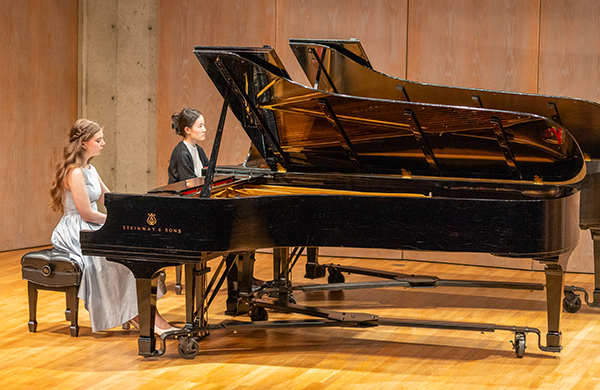
Now, that connection has brought her to a full-circle moment: winning the UVic School of Music’s 2026 Concerto Competition and earning the opportunity to perform Chopin’s Concerto No. 2 with UVic Symphony Orchestra on October 30 in the final year of her undergraduate degree. Madison was also the winner of the Sooke Philharmonic‘s 2026 Jenny and Norman Nelson Concerto Competition and will again perform Chopin’s concerto with that orchestra on October 31 and November 1.

Studying piano with May Ling Kwok, Madison has developed a musical approach that places expression and storytelling at the centre of performance. Chopin’s concerto, with its sweeping melodies, emotional contrasts and technical demands, has offered an ideal vehicle for that approach.

“What I find particularly compelling is that Chopin’s second concerto isn’t just technically demanding and flashy, but also emotionally honest,” she says. “It demands constant lyricism and singing tone.”

One moment she is especially excited to share with audiences comes at the opening of the concerto’s second movement, the Larghetto. The piano begins alone with a simple A-flat major arpeggio, establishing an intimate, lyrical atmosphere that unfolds into one of the work’s most expressive passages.

For Madison, creating that sense of intimacy means thinking beyond the piano’s technical possibilities. She wants the instrument to communicate with the warmth and fluidity of a human voice.

Hear Madison perform Chopin’s Piano Concerto No. 2  with the UVic Symphony Orchestra at 8pm on Friday, October 30 in the UVic Farquhar Auditorium. Tickets are available through the UVic Ticket Centre and at the door. UVic students with a valid ONECard can attend for free, and special ticket pricing is available for school groups. 

A conversation between soloist and orchestra

Preparing her first concerto presented Madison with a new way of thinking about performance. While developing the solo piano part, she also had to consider how it would interact with the orchestra — understanding the roles of individual instruments and finding the connections between musical lines.

“Creating a complex dialogue between the solo piano part and the orchestra has been one of the biggest challenges,” she explains. “I have tried to approach the piece as not just a solo work with accompaniment, but as a musical conversation between all performers.”

Finding her voice on and off the stage

Madison’s musical imagination extends beyond the concert hall. An avid fan of fantasy books and films, she is drawn to immersive worlds, compelling characters and stories, and brings that same sensibility to her interpretation of music.

“When I practice or perform, I try to imagine the world, characters, and story behind a piece rather than thinking of the notes as purely technical,” she says.

Her listening habits are similarly wide-ranging. Fleetwood Mac, Queen, David Bowie, Phoebe Bridgers, Chappell Roan, The Strokes, Daniel Caesar and Fontaines D.C. are among the artists currently in her rotation. Exploring indie, rock and pop gives her fresh perspectives on colour, phrasing and rhythm that she can bring back to her classical repertoire.
Her time at UVic has also shaped her understanding of what it means to grow as a performer. Madison speaks candidly about the challenges of performance anxiety and the importance of finding community and balance.

“The welcoming UVic community and various performance opportunities offered have helped me grow both as a musician, and person,” she says. “I have learned that isolation creates more anxiety, and having a strong support system and healthy balance of working and experiencing life can make a huge difference.”

The next chapter

After completing her Bachelor of Music degree in June 2027, Madison plans to pursue a master’s degree in performance. Her long-term goal is to build a diverse career as a solo performer, collaborative pianist and teacher.

For now, the opportunity to perform Chopin’s concerto with the UVic Symphony Orchestra brings together so many elements of her musical journey: a piece she has loved for years, the challenge of taking on her first concerto, and the chance to collaborate with a full orchestra.

“As a pianist, I am most often rehearsing and performing alone, so I have always looked forward to chances to play with other musicians,” she says. “The opportunity to make music with so many exceptional musicians at once is incredibly rare.”

Madison was recently featured in CBC’s How to Be an Artist, where she discusses her creative approach to music-making, her commitment to building a career in music, and her aspirations for the future. Listen to the interview here

Congratulations to Madison and the 2026 Concerto Competition runners-up! Get to know the runners up here.
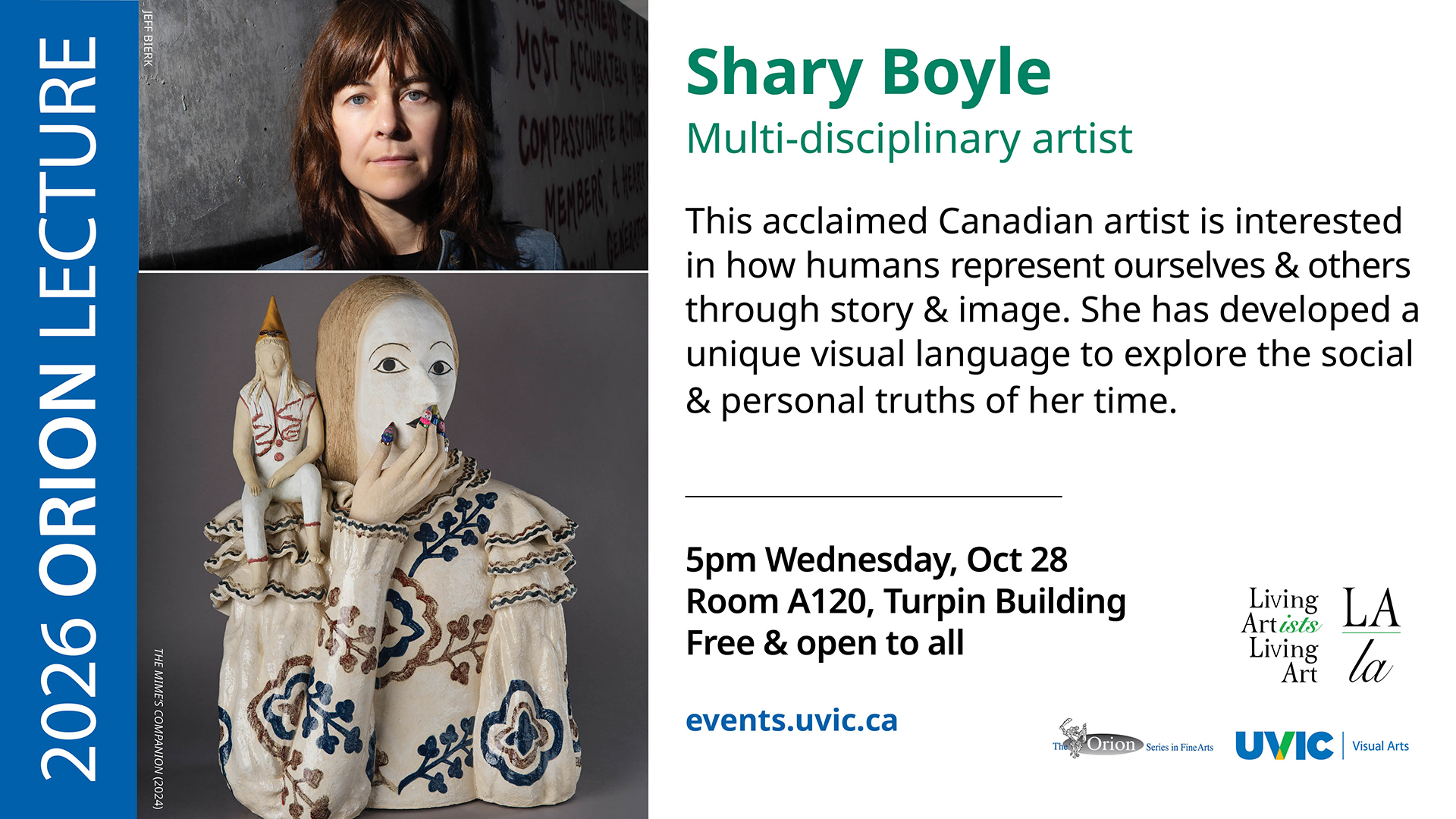
Orion Series presents visiting artist Shary Boyle

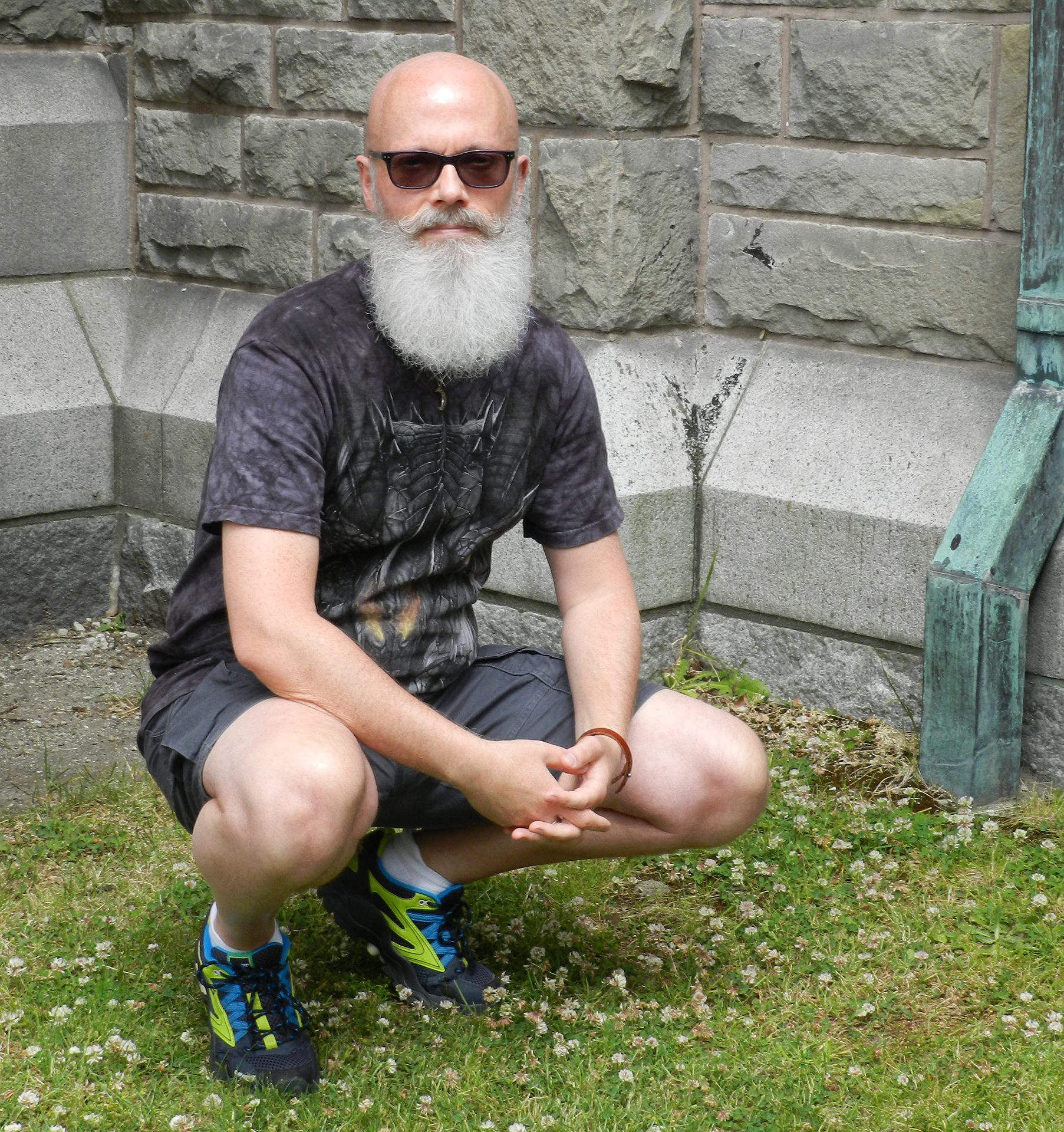
The Orion Series in Fine Arts, in partnership with the Department of Visual Arts, is proud to present a free public talk with visiting artist Shary Boyle. All are welcome to attend this illustrated talk running 5-6:20pm Wed, Oct 28, in room A120 of UVic’s Turpin building as part of the ongoing Living Artists, Living Art series.

As a multi-disciplinary artist, Shary Boyle’s motivation is to articulate the unspoken. Recognizing from an early age that authority employs repression to maintain power, she developed a unique visual language to explore the social and personal truths of her time.

Boyle’s idiosyncratic humour, sincerity, and slow, hand-crafted care are part of a larger ethos of resistance to the professionalization of art-world capitalism and big tech.

Shary Boyle’s art deals with how humans represent ourselves and others through story and image. She cultivates both a solitary studio practice and collaborative relationships with a wide range of creative communities. 


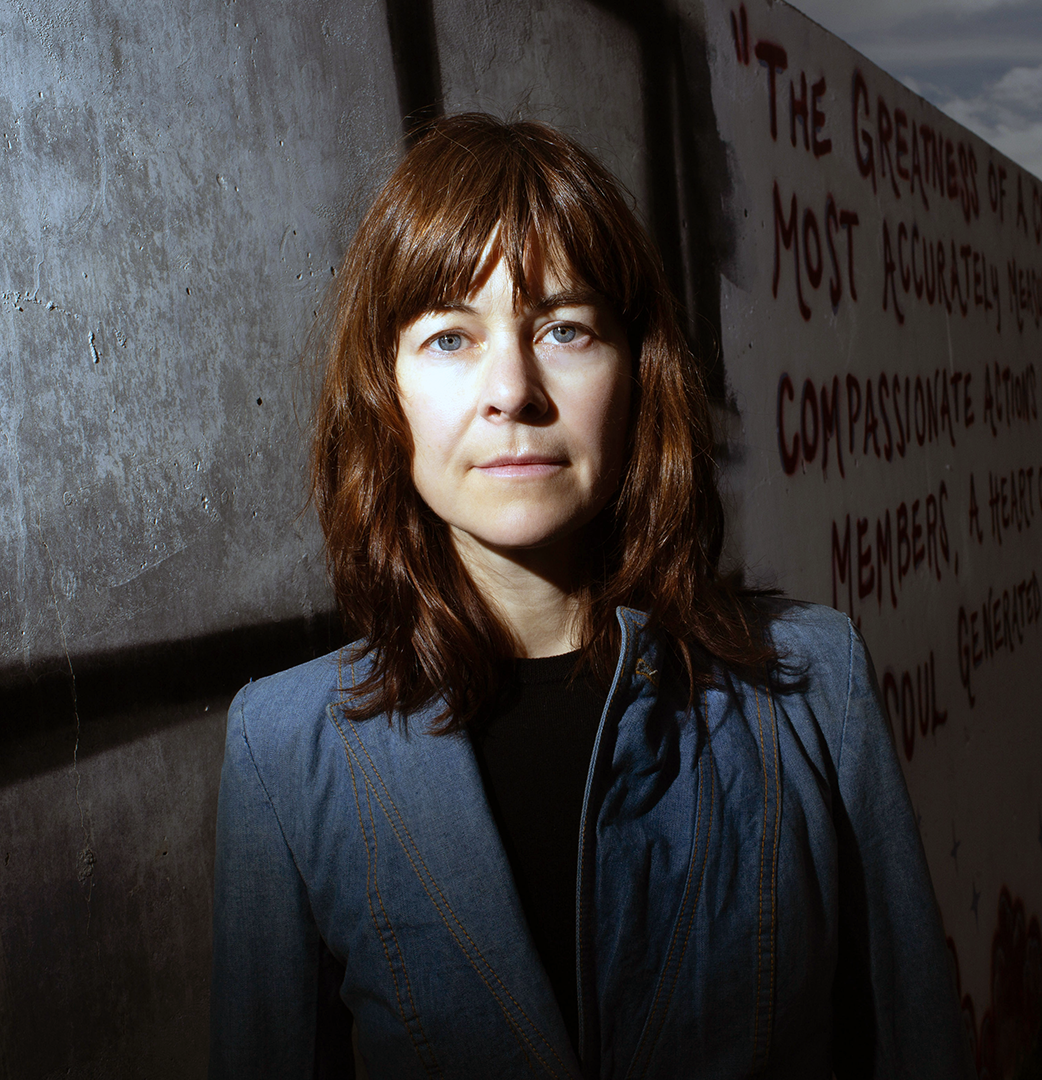
photo: Jeff Bierk

Shary Boyle represented Canada with her project Music for Silence at the 55th Venice Biennale in 2013 and holds a 2021 Honorary Doctor of Fine Arts from the Ontario College of Art and Design University.

Her solo exhibition Outside the Palace of Me traveled to the Vancouver Art Gallery in 2023 and the Museum of Art and Design in New York City in 2024. How We Are, a survey of her social-political artworks, was presented by the Art Gallery of Hamilton in Spring 2026. Her show Night Vision is on view at Patel Brown Gallery in Toronto, from October-December 2026.

UVic’s Living Artists, Living Art series hosts artists and curators from diverse practices for casual and engaging talks. You can watch recordings of previous talks here. 

About the Orion Fund

The Orion Series in Fine Arts is made possible through the donor-created Orion Fund, which allows us to to make the talents and achievements of visiting artists available to both students and Victoria’s wider community, who might otherwise not be able to experience their work.

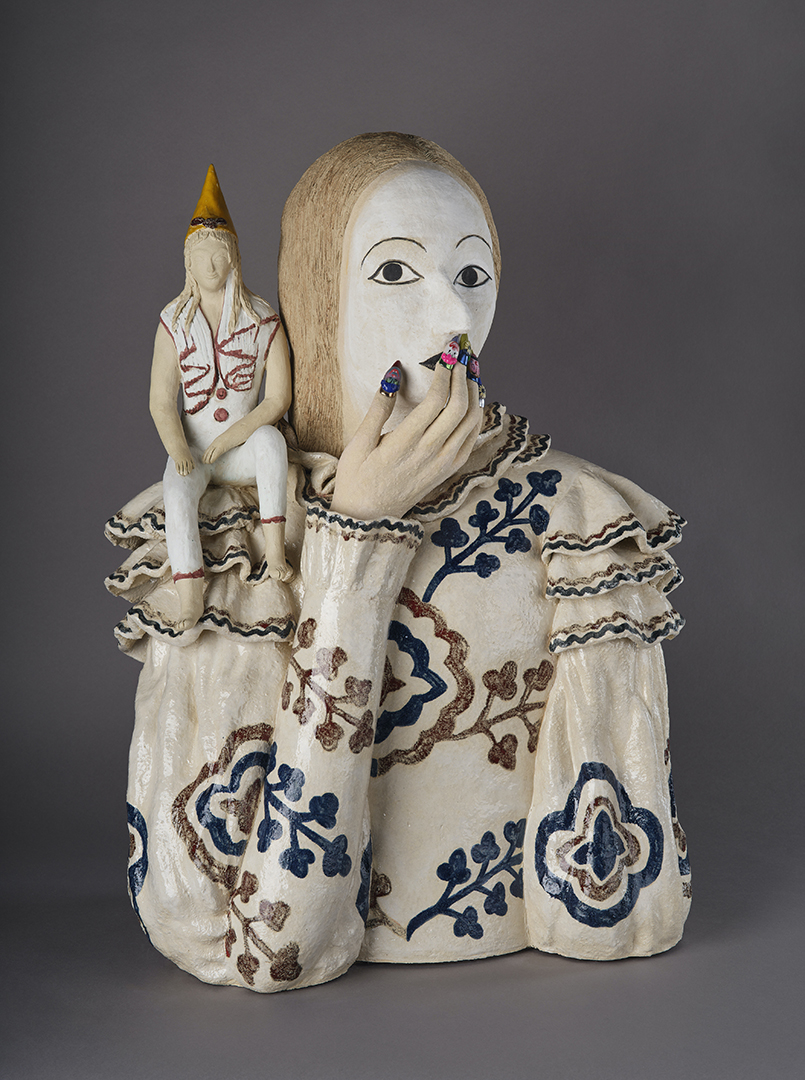
Shary Boyle’s “The Mime’s Companion” (2024): stoneware, glazes, acrylic nails by Daron Wood  (photo: Jeff Bierk)

Originally established with an $80,000 investment from donor Josephine Berthier in 1996, the Orion Fund was then endowed by a further million-dollar bequest when Josephine passed away in 2000. Today, it serves a variety of functions: the Orion Fund can finance short-term visits by distinguished guests from other parts of Canada and around the world, while the Orion Program for Visiting Artists & Scholars in the Arts is used for arranging longer visits, lasting up to a term.

Fine Arts active at 5 Days of Action

UVic’s 5 Days of Action is an annual week of free events aimed at amplifying the work groups, units and organizations are doing to create a more diverse, inclusive and equitable campus and community throughout the year — and Fine Arts is once again involved.

Running October 26-30 across campus, there are more than 30 events happening campus-wide, ranging from workshops and talks to trainings and performances (see the event listing for full details) but here’s what’s coming up involving Fine Arts.

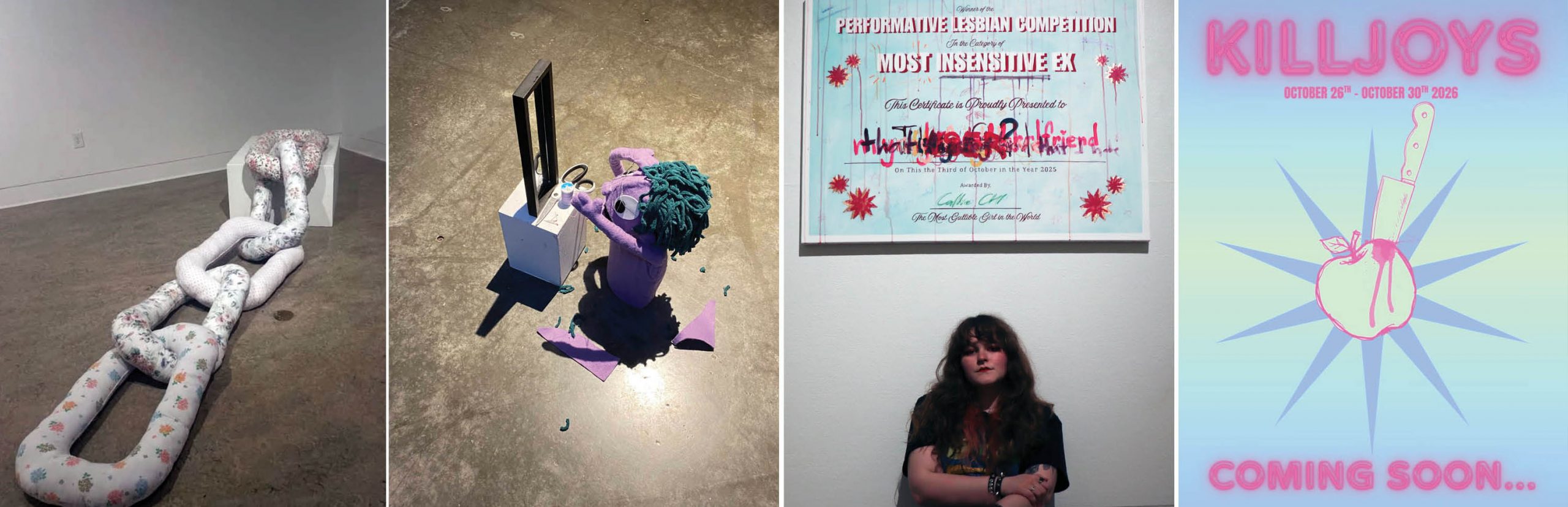
Art by participating students Violet Griffiths, Riley Wallsten & Callie Clissold-Hoyle 

KILLJOYS art exhibit (Oct 26-30): facilitated by Visual Arts in the Audain Gallery but curated, installed and promoted by a student collective, KILLJOYS challenges forms of systemic oppression and violence through student artwork. The exhibit is open 9:30am-4:30pm daily in the Visual Arts building’s Audain Gallery (room A120).

UNDRIP, UNDA & DRIPA Workshop (9:30-10:30am Tues, Oct 27): Indigenous Resurgence Coordinator Karla Point offers this workshop on the United Nations Declaration on the Rights of Indigenous People (UNDRIP), the UN Declaration on the Rights of Indigenous People Act (UNDA) and the Declaration on the Rights of Indigenous People Act (DRIPA). This free workshop happens in room 106 of the Fine Arts building.

The Offline Club (4-6pm Tues, Oct 27)

Specifically for 5 Days of Action, the topic of this weekly tech-free, student-focused meetup on campus will be “Resisting the AI Takeover: Why and How.” Everyone is welcome to come by and hang out without their phones. Expect free food and lively conversation in this event organized by the Department of Writing in the Mearns-McPherson Library, Kula Lounge.
Amplifying Voices (12:30-1:30pm Wed, Oct 28): organized by the UVic Music Student Association, this annual concert features Music students performing and sharing personal insights about compositions by marginalized artists. This event shines a spotlight on the rich diversity within music, while addressing important challenges of equity, diversity, and inclusion (EDI) in the musical landscape. Join us in the Phillip T Young Recital Hall (MacLaurin building B-wing).
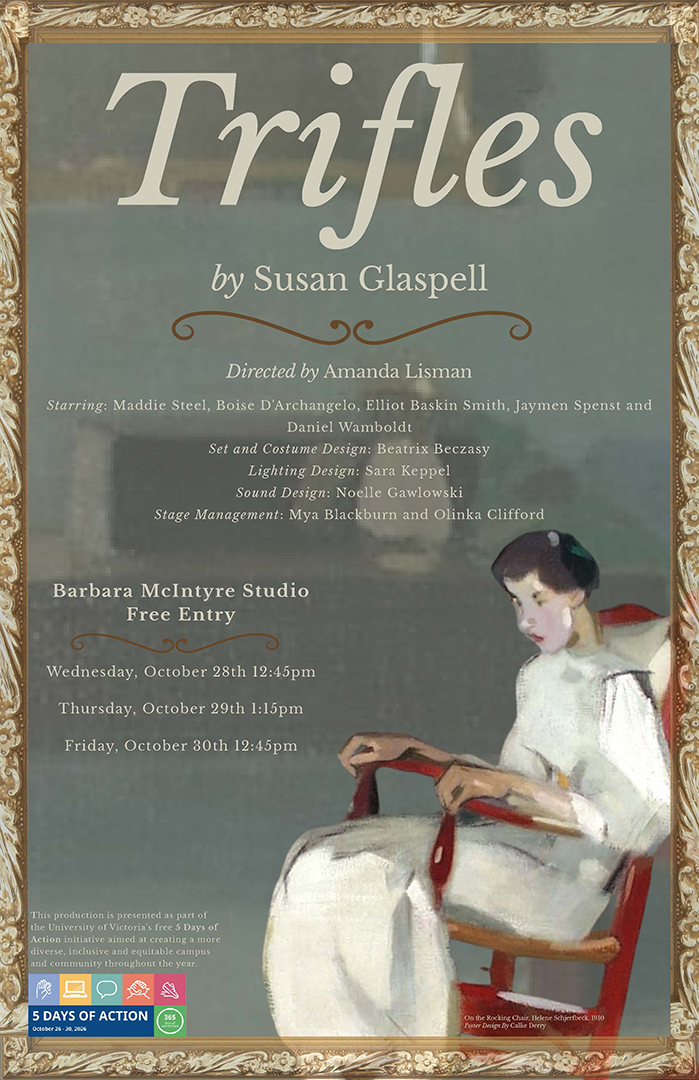
Trifles (12:45-1:15pm Wed-Fri, Oct 28-30): this one-act play by early American playwright Susan Glaspell is directed by Theatre MFA candidate Amanda Lisman and features a cast of Theatre students. Two women accompany their husbands in a murder investigation and uncover the hidden story of a woman whose suffering has gone unspoken: as they piece together the truth from the “trifles” the men dismiss, the play invites us to consider how a true jury of the woman’s peers might view the accused’s actions in light of oppression, abuse, and patriarchal disenfranchisement. This play runs in the Barbara McIntyre Studio, Phoenix building.

Art History instructor earns notable UVic achievement

Congratulations go out to Dr. Michael Reed (Medieval Studies, Art History & Visual Studies), who has become the first UVic instructor to receive teaching awards in multiple faculties, recognizing the impact of his dynamic, authentic and interdisciplinary approach to teaching.

Reed, a continuing sessional instructor with our Department of Art History & Visual Studies and an alumnus of the department (MA ’00, BFA ’95) was one of two winners of the 2026 Faculty of Fine Arts Award for Teaching Excellence (Sessionals & Music Performance Instructors); as a Medieval Studies instructor, he previously won the Faculty of Humanities Award for Teaching Excellence (2020/21), and earned the Gilian Sherwin Alumni Award for Excellence in Teaching (2022) at UVic’s REACH Awards.

Michael Reed

Going beyond the classroom

As a medievalist, Reed’s innovative teaching strategies make historical material present for his students. “I constantly reimagine classrooms and class time,” says Reed. His Medieval Studies course “Victorian Medievalism” is one example, inviting students to conceptualize the global phenomenon of Victorian medievalism through a local lens. Using the city of Victoria as a case study, students of art and cultural history engaged with object and landscape research beyond the fixed schedule and place often associated with post-secondary learning.

Through that passion, and a gift for drawing connections between past and present, Reed makes evident the continued importance of medieval studies in a rapidly changing world.

“Medieval studies is essential in the context of the global right’s misrepresentation of medieval history, stories and iconography to advance dangerous, ahistorical agendas. In an increasingly (dis)connected technological present, many desire origin stories. Medieval studies can do this — globally.”

Students in his courses gain historical knowledge, but, perhaps more importantly, they leave with a sense of why that knowledge matters.

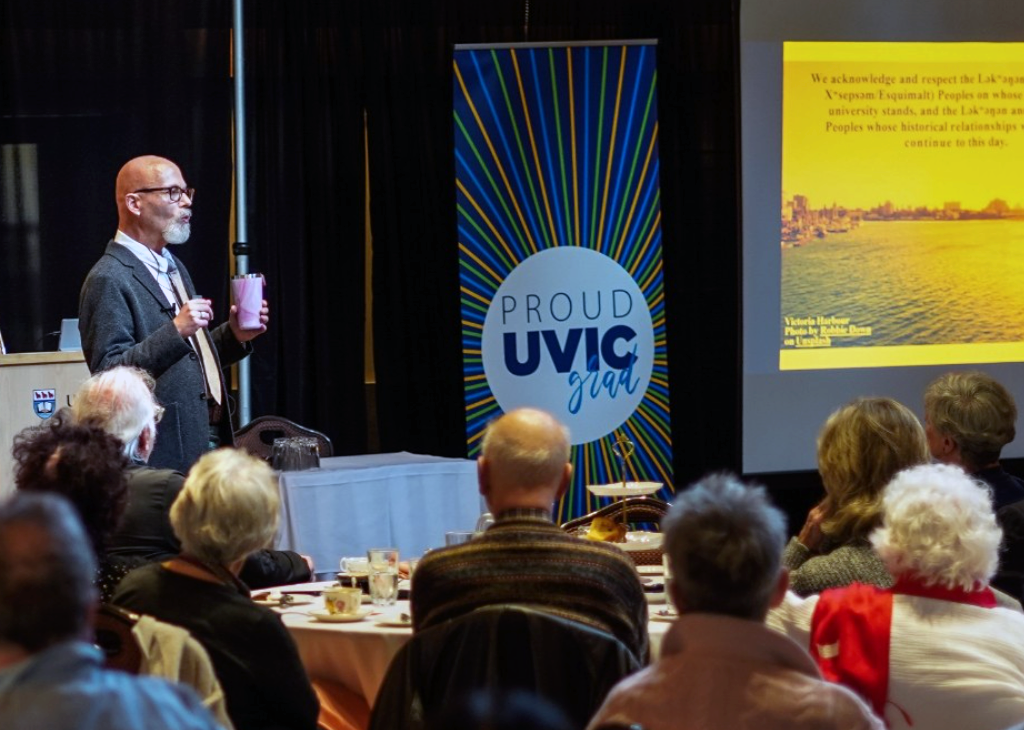
Reed hosting a UVic Alumni Association High Tea event in Feb 2026, where he spoke about the perception of “Britishness” in Victoria

Authentic approaches

 As an out gay man, Reed brings his lived experience to his teaching. “My pedagogy is framed by authenticity. I bring my authentic self to the classroom,” he says.

Previously recognized as a winner of the Gilian Sherwin Alumni Award for Excellence in Teaching at UVic’s REACH Awards, Reed has taught at UVic since 2016. After 10 years in UVic classrooms, he offers advice for new interdisciplinary instructors: “Create opportunities for students to reflect on and synthesize information individually and collaboratively — lecture should never be anyone’s default teaching method.”

New SSHRC award for Visual Arts

Congratulations go out to Visual Arts professors Beth Stuart (above left) and Megan Dickie on receiving a Social Sciences & Humanities Research Council (SSHRC) Insight Development Grant for a research-creation project titled The Soft Commons: Developing Methodologies for Holding Pattern. 

The project will explore how textiles, garments and patterns can help us re-learn to make art collectively, care for one another and share knowledge. Central to this project is the creation of shareable “blocks” designed not as fixed templates but as open tools meant to be borrowed, reworked and wildly adapted. These blocks will emerge through anti-hierarchical collective work sessions where individual material experimentation is shared; best practices for these sessions will be informed by intentional conversation with working textile collectives across the world. The blocks may take the form of the base structures for garments, pattern modules for block prints, or articulated foundational principles for creative co-working that can then be brought into play in the broader community to foster creative collaboration.

The project follows from Stuart’s ongoing experiments with dyes and cordage gathered from foraged and locally cultivated plants and refuse, and Dickie’s work with camouflage pattern as a descriptor of humans’ relationship to land and culture.